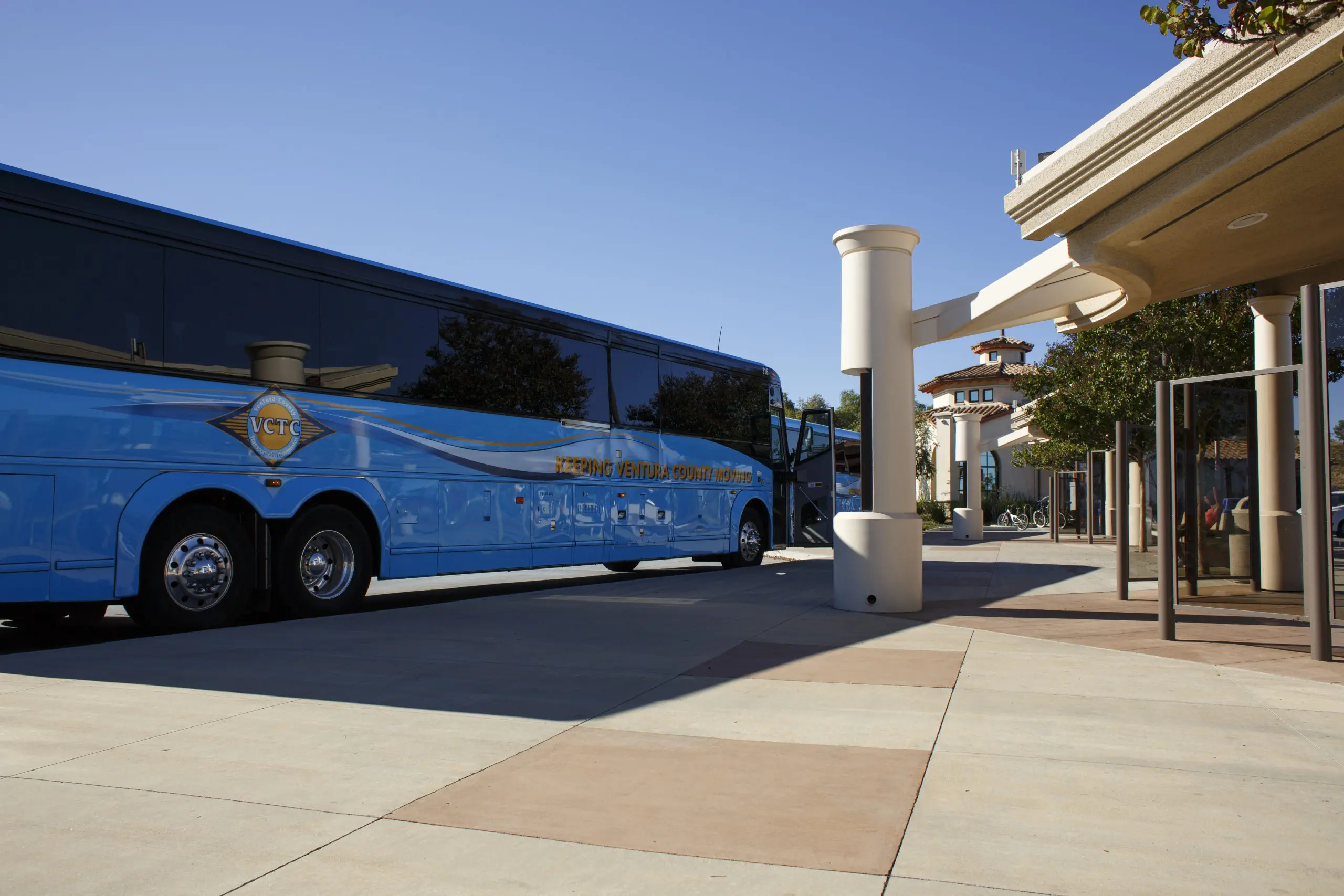
• A modern blue government bus parked at a transit station with a clean sidewalk and shelter.

    Transportation Emergency Preparedness Plan

    FINAL TRANSPORTATION EMERGENCY PREPARENESS PLAN

    PROJECT PURPOSE

    Due to the devastation caused by recent disasters such as the Thomas Fire and 1/9 Debris Flow event, Ventura County Transportation Commission (VCTC), in partnership with the Santa Barbara County Association of Governments (SBCAG), applied for and received an Adaptation Planning grant from Caltrans to develop a Transportation Emergency Preparedness Plan (TEPP) for Ventura and Santa Barbara Counties.

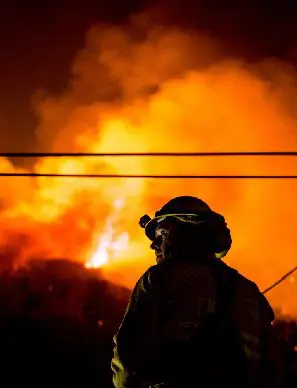
    A firefighter confronting a large blaze with thick smoke and intense flames at night.

    KEY CHALLENGES

    • Limited integration of transportation procedures into County and City emergency plans.
    • Increasing risks of wildland fire, mudslides and other disasters.
    • One main thoroughfare, US Highway 101, linking Ventura County and Santa Barbara County.
    • Transportation systems are severely impacted during major disasters.
    • No transportation plan in place to coordinate evacuations.
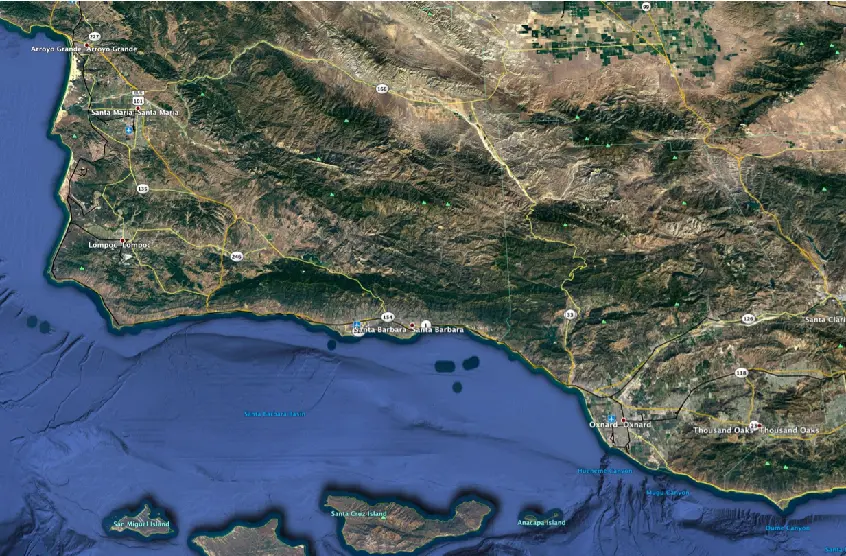
    A scenic aerial view of Ventura coastline and surrounding mountains in California.

    Mission

    To provide a proactive strategy and roadmap for transportation response and recovery during emergencies for Ventura and Santa Barbara counties going forward.

    Goals

    • Develop an all-hazards transportation emergency preparedness plan
    • Respond to the needs of the communities sooner and more effectively
    • Create a blueprint for evacuation
    • Improve transit agency management during disasters
    • Develop a plan for disadvantaged and vulnerable populations
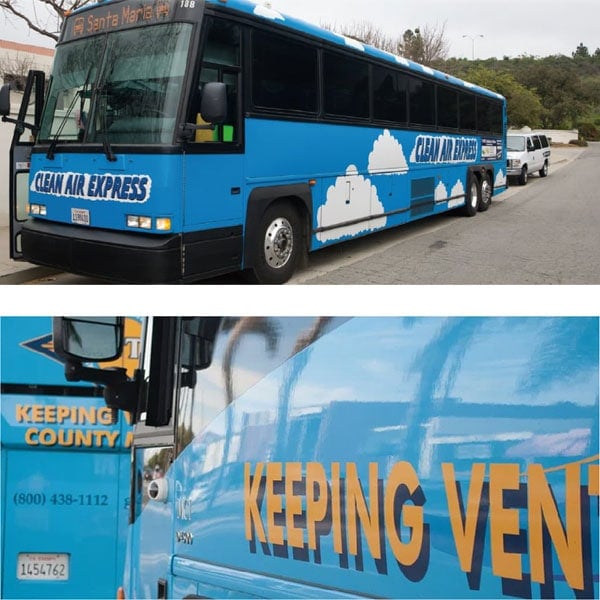
    Clean air express bus for Ventura County transportation services.
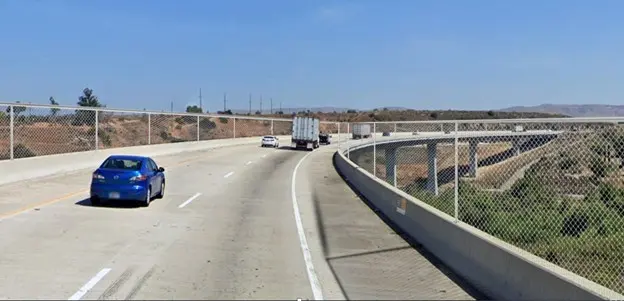
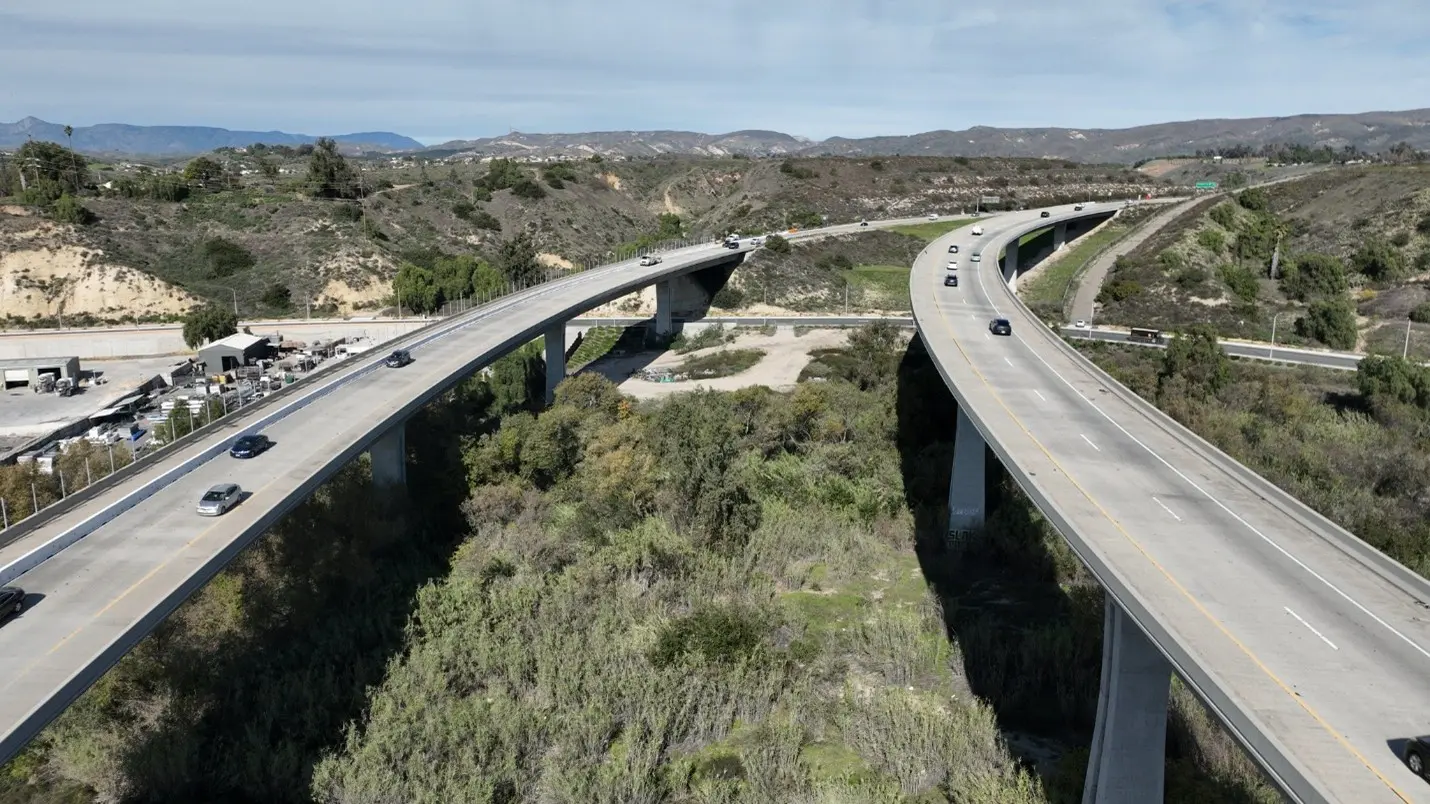
  • Highway over pass with cars driving on it

    Suicide Prevention

    Photo Credit: Caltrans, District 7

    If you or someone you know is experiencing a suicidal or mental health crisis, call or text 988 or chat 998lifeline.org.

    Suicide Prevention

    Suicide is a serious public health problem that affects millions of people every year. It can affect anyone and have lasting impacts on individuals, families, and communities.

    As the regional transportation planning agency for Ventura County, Ventura County Transportation Commission (VCTC) recognizes the need to be a part of collective action to discourage suicide on transportation infrastructure. Since early 2014, VCTC has worked to integrate suicide prevention measures into transportation infrastructure such as the installation of Crisis Line signs along highways that direct people to suicide-prevention resources and the recent formation of the Arroyo Simi Bridge Task Force.


    Arroyo Simi Bridge Task Force

    In 2022, VCTC and Caltrans District 7 formed the Arroyo Simi Bridge Suicide Prevention Task Force to bring structure and collaboration to prevention efforts for the Arroyo Simi Bridge in Moorpark. Since its construction in 1993, the Arroyo Simi Bridge, where State Route (SR) 23 meets SR 118 in Moorpark, has become a location of concern for local officials and residents due to repeated suicide attempts.

    The task force brings together representatives from VCTC, Caltrans District 7, the County of Ventura, the cities of Moorpark and Simi Valley, the California Highway Patrol, Ventura County Sheriff’s Office, and Didi Hirsch Mental Health Services to discuss strategies, share progress, and coordinate activities. Their approach focuses on two key pillars: physical solutions and community-based solutions. Each reinforces the other by creating both safer spaces and stronger networks of care.

    Physical Solutions: Building Barriers and Buying Time

    In July 2022, Caltrans began developing plans for a barrier fence along the Arroyo Simi Bridge. The goal of this barrier is to discourage suicide attempts and buy critical additional time to intervene and for first responders to arrive. The barrier design features a tight-weave mesh that makes the barrier more difficult to climb.

    Following environmental review and preliminary design completion in October 2023, Caltrans finalized the design in August 2024. Construction of the $10 million project began in late October 2025 with completion of construction activities anticipated in early 2026.

    Rendering of the Arroyo Bridge barrier fence design

    Rendering of the Arroyo Bridge barrier fence design

    Community-Based Solutions: Education, Awareness, and Support

    Recognizing that infrastructure alone cannot address mental health crises, the Arroyo Simi Bridge Suicide Prevention Task Force partnered with Didi Hirsch Mental Health Services to provide suicide prevention training to both first responders and community members.

    Two tailored training programs were created, one for California Highway Patrol (CHP) officers and Freeway Service Patrol (FSP) drivers, and another for the general public. These trainings covered crisis de-escalation and intervention, prevention and response training, community suicide awareness, and connecting individuals to crisis resources. In May 2024, the City of Moorpark and Didi Hirsh hosted the first virtual community training, allowing residents to learn from licensed mental health professionals, with a second training in Spanish held in June 2024. First responder training was conducted in October 2024.

    Information on warning signs, risk factors, how to help, and more resources can be found here (English) and here (Spanish).


    Coming Together for Prevention

    Additionally, the Arroyo Simi Bridge Task Force has worked to raise awareness through outreach such as conducting a Suicide Prevention Webinar, presenting to VCTC’s board of commissioners, Simi Valley and Moorpark city councils, and participating in the Los Angeles Suicide Prevention Network Summit. These local coordination efforts connect with wider regional and national initiatives that address suicide prevention on roadways.

    The U.S. Department of Transportation Volpe Center, which studies suicides near infrastructure, emphasizes a multifaceted approach that combines engineering, education, and enforcement. By uniting transportation agencies, behavioral health professionals, and communities, prevention becomes possible.

    988 Suicide & Crisis Lifeline Logos

    24/7 Support is Available

    If you or someone you know is experiencing a suicide, mental health, or substance use crisis, call or text 988 or chat 998lifeline.org.

    The 988 Suicide & Crisis Lifeline provides free and confidential support 24 hours a day, 7 days a week, across the U.S. in English and Spanish. Through voice call, 240 additional languages are also available 24/7.

    Learn more about the 988 Suicide & Crisis Lifeline by visiting 998lifeline.org.

    Resources

    While not a complete list, the resources below offer support for Mental Health:

    (NEW)

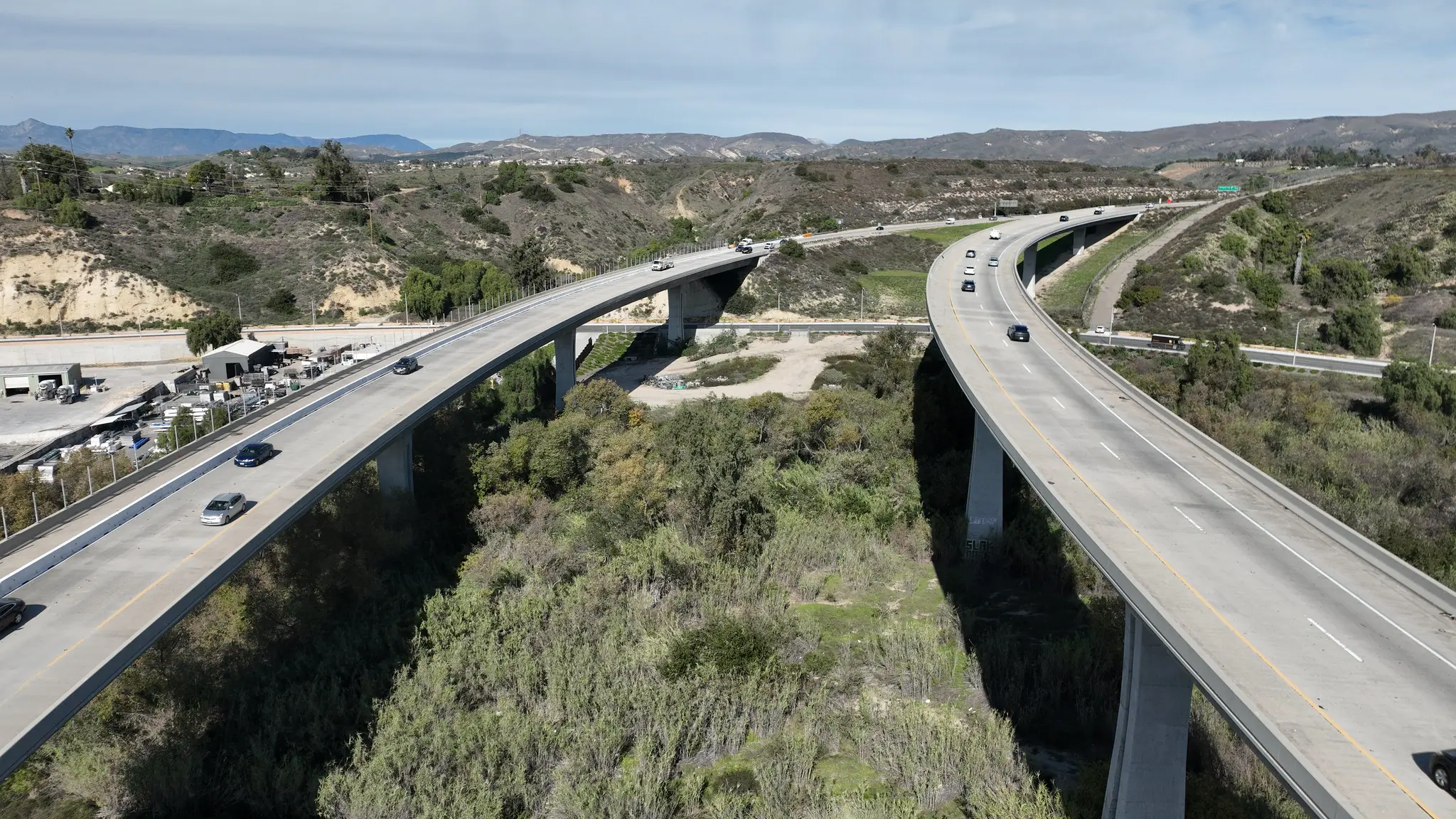
    Aerial View of the Bridge, Photo Credit: Caltrans, District 7

    Aerial View of the Bridge, Photo Credit: Caltrans, District 7

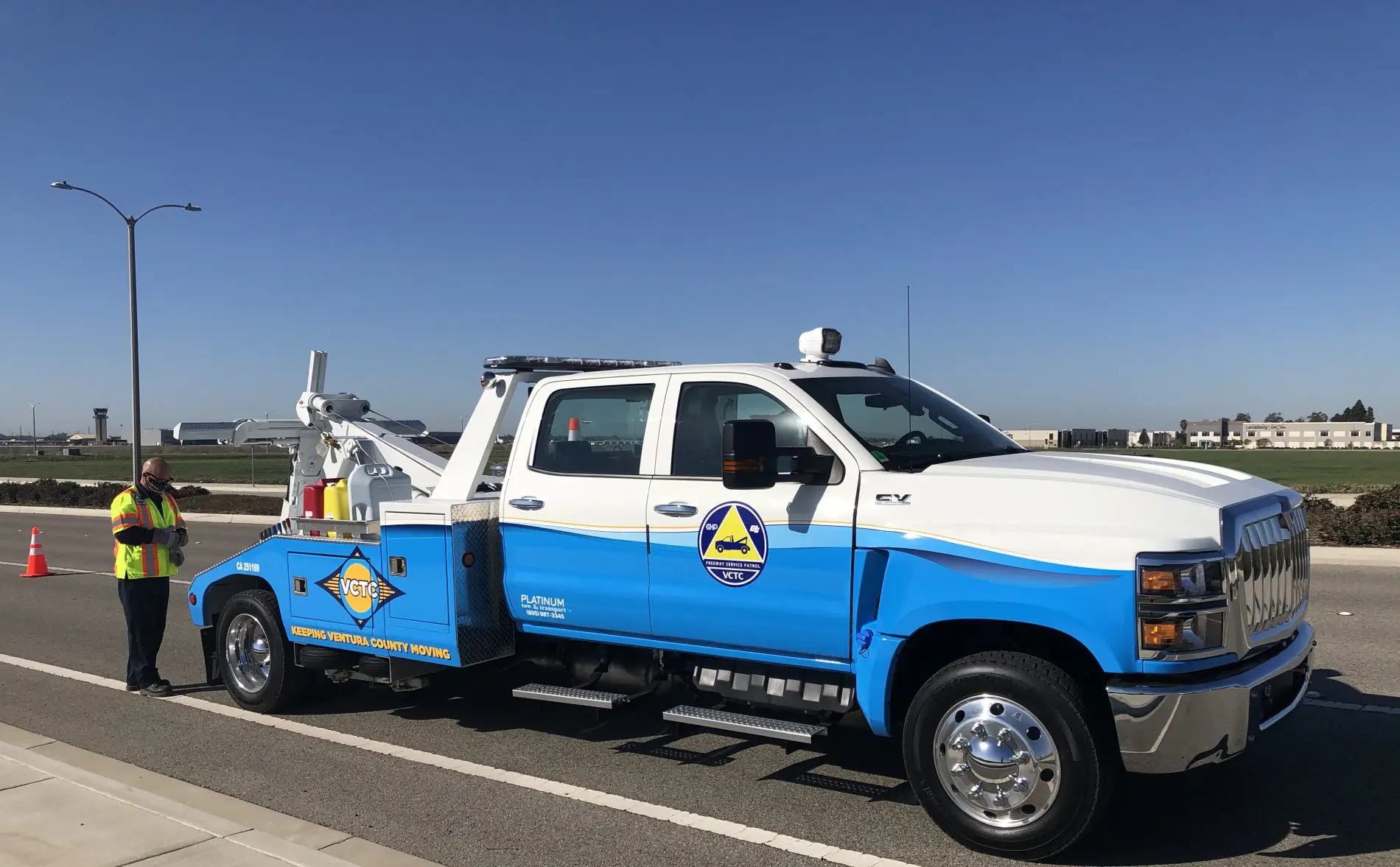
  • Freeway Service Patrol vehicle on the side of the freeway

    Freeway Service Patrol

    HELP IS ON THE WAY

    We hope that your travel on Ventura County highways is as smooth as possible. However, if you should have a problem along portions of the U.S.-101 or CA-118 during rush hour, Freeway Service Patrol will come to your rescue. The Freeway Service Patrol (FSP) is funded by the Ventura County Transportation Commission (VCTC) in its role as the Service Authority for Freeway Emergencies (SAFE), with funding through the State of California (Caltrans). VCTC administers the program through a contract with a local tow company, which provides two roaming tow trucks on each highway segment (“beat”) to assist motorists with disabled vehicles, at no charge to the motorist.  The California Highway Patrol (CHP) is also a partner in the program and provides driver training and daily oversight.

    FSP Logo

    The program operates Monday through Friday, except certain holidays, from 6:30 a.m. to 9:30 a.m., and from 2:00 p.m. to 6:00 p.m., on these Ventura County highway segments (see map):

    • Beat 1: 10.5 miles along U.S.-101, from Ventura/Los Angeles County line to Camarillo Springs Rd.
    • Beat 2: 11.8 miles along U.S.-101, from Camarillo Springs Road to Oxnard Blvd.
    • Beat 3: 14.2 miles along CA-118, from CA-23 to Ventura/Los Angeles County line (Rocky Peak).

    Look for specially marked FSP tow trucks that are white and blue and display the FSP logo.  FSP drivers are certified by the CHP and wear blue uniforms with yellow vests, have the FSP logos on their clothing and an identification name badge on their vest.  FSP services are provided at no cost to the motorist, and the types of services provided may include:

    • Changing flat tires
    • Jump starting vehicles with dead batteries
    • Refilling radiators and taping leaky hoses
    • Putting a gallon of fuel in gas tanks
    • Towing inoperable vehicles, at no charge, to a safe location off the freeway
    • Clearing vehicles damaged in collisions under CHP direction
    • Removing debris from traffic lanes under CHP direction

    If FSP cannot get your car back up and running, FSP will tow your vehicle off of the freeway to a location approved by CHP. Although FSP will get you off the freeway to a safe location to wait for help, FSP cannot tow you to a private repair facility or to your home, nor can they recommend tow services or repair shops.

    Download a brochure about the Ventura FSP program, or review Frequently Asked Questions about the program. Have you been assisted by FSP recently and would like to fill out a survey?

    Contact Us:
    If you have any questions regarding FSP, contact Andrew Kent, FSP Program Analyst, at:

    Email: fsp@goventura.org

    Telephone: 805.642.1591 X102

    Address: 751 East Daily Drive, Suite 420, Camarillo, CA  93010

    ​If you need assistance and are a motorist outside of the FSP service area or hours of FSP service, please dial 911.  If  you are within the FSP service area and hours and you require assistance, call CHP Dispatch at 805.477.4174, who if appropriate, will dispatch FSP to assist.

    FSP Customer Assist Survey

    If you have been assisted by the FSP program in Ventura County, we invite you to take the Customer Assist Survey to let us know about your experience. Your input is valuable for the ongoing development of the FSP service and we want to hear about how we can improve the program. Please have your survey number handy. You can find it on the card provided by your FSP driver. We thank you for taking the time to answer this short survey.

    FSP Highway Segments “Beats”

    Freeway Service Patrol Frequently Asked Questions

    Where and when do the FSP tow trucks operate?
    FSP vehicles are in the field during the weekday peak commute periods on three highway segments: A 10.5 mile stretch of U.S.-101 from the Ventura/Los Angeles County line to Camarillo Springs Rd, 9.2 miles along U.S.-101, from Camarillo Springs Road to Rice Ave in Camarillo; and 14.2 miles along CA-118, from CA-23 to the Ventura/Los Angeles County line (Rocky Peak) (see map). The service is provided Monday through Friday during peak commute hours, except certain holidays, from 6:00 a.m. to 9:00 a.m. and 3:00 p.m. to 7:00 p.m.

    Is there any cost to the motorist for the FSP service?
    No. FSP services are free of charge and in fact, drivers may not accept any form of payment, gifts or tips.

    How is the FSP funded?
    Funding for FSP comes from two sources: the State of California (Caltrans) provides funding for 75% percent of FSP program costs with the remaining 25% funded through local matching funds from VCTC, through a $1.00 annual fee charged to motorists who register a vehicle in Ventura County.  Fees are deposited in VCTC’s Service Authority for Freeway Emergencies (SAFE) account which are expended on motorist aid purposes per State law.

    How can I recognize the Freeway Service Patrol?
    All of the Freeway Service Patrol vehicles are white and blue and have the FSP log on the cab doors.  Drivers wear blue uniforms with yellow safety vests with the same FSP logo on them.

    Can I pay or tip the driver?
    No. Drivers are prohibited from accepting any form of payment, gifts or tips.

    Where can I provide feedback about my FSP experience?
    When your FSP driver assisted you, you received an FSP brochure along with a card that has a website where you may go and respond to questions about your assist and the driver.  VCTC appreciates all motorists who are able to take the time to complete the online survey, and that survey may be accessed by visiting this link. However, if you do not have the survey card, or, should you have additional information you would like to share about your FSP assist, please contact VCTC by emailing: fsp@goventura.org or, mail your correspondence to: Ventura FSP, 751 East Daily Drive, Suite 420, Camarillo, CA 93010.

    How does the Freeway Service Patrol help congestion?
    The FSP program reduces freeway congestion by quickly clearing stalled vehicles and other obstructions.  For each minute a stalled vehicle is in a lane, it takes four minutes for traffic to return to the original flow condition. In addition, for every minute a stalled vehicle is on the freeway, the possibility of secondary accidents increases, which may lead to even more injuries, property damage and resulting congestion.

    How does the FSP program improve air quality?
    By removing traffic obstructions quickly, the FSP program reduces the amount of time a vehicle idles in traffic producing exhaust.  In turn, this reduces the amount of pollutants being put in the air.

    Why can’t FSP tow me to my mechanic or a garage?
    FSP drivers are only authorized to assist a motorist by repairing the disabled vehicle or towing the disabled vehicle to a designated drop area. All designated drop areas are located just off the freeway. The FSP drivers are not authorized to tow vehicles to any other location.  Once a disabled vehicle is towed by FSP to a nearby drop location, the driver of the disabled vehicle must make their own arrangements to have their vehicle towed from the drop area to a repair garage or another location.

    Why can’t I get towed home or to work?
    The primary purpose of the FSP is to get motorists and vehicles out of harm’s way.  The FSP tow truck drivers need to resume service on the freeway as quickly as possible in order to continue assisting other stranded motorists.
Secret Link